
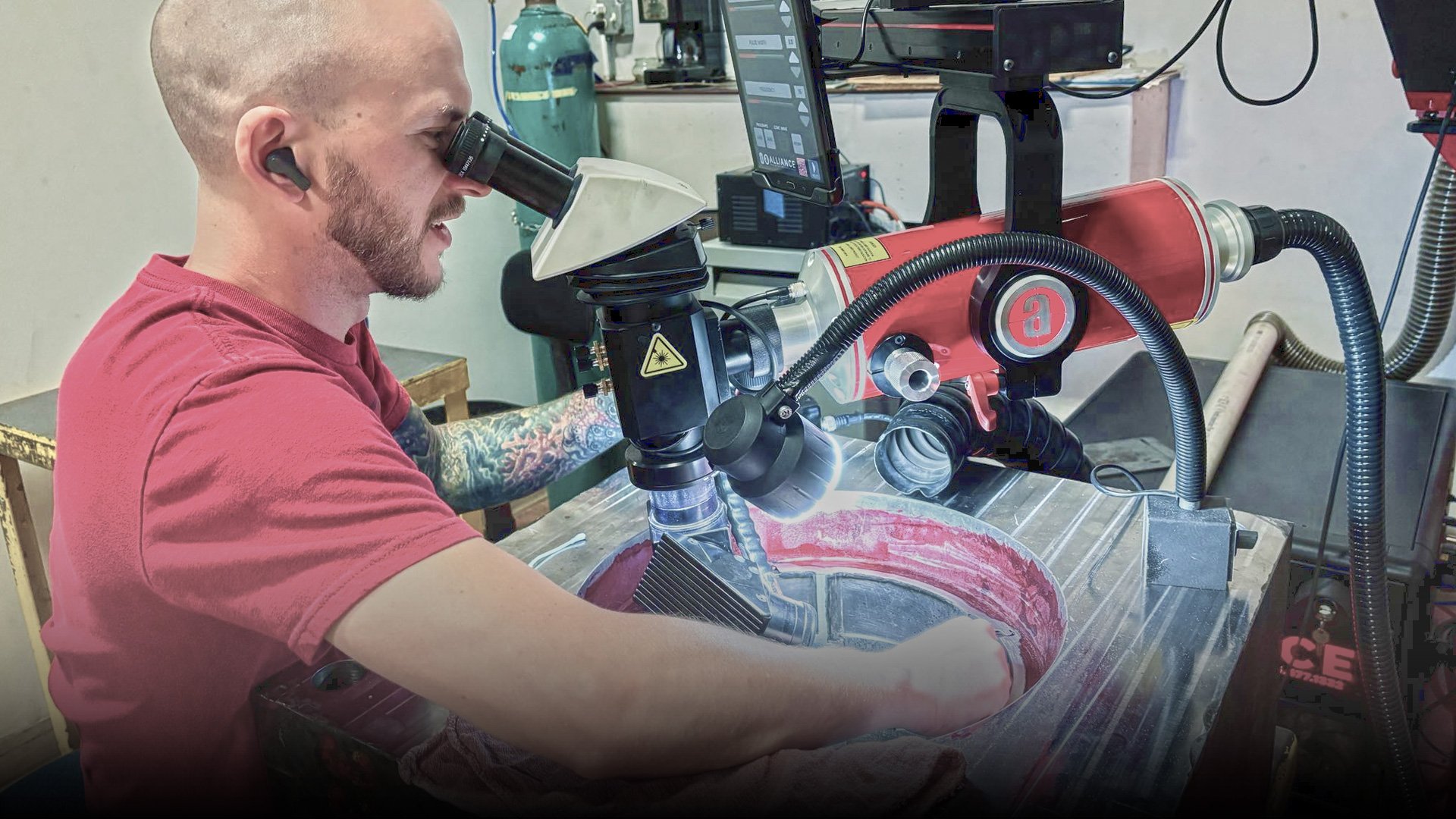
LaserWeldingMoldRepairMain

The Complete Buyer's Guide

Fiber Laser Welding Machines for Mold Repair
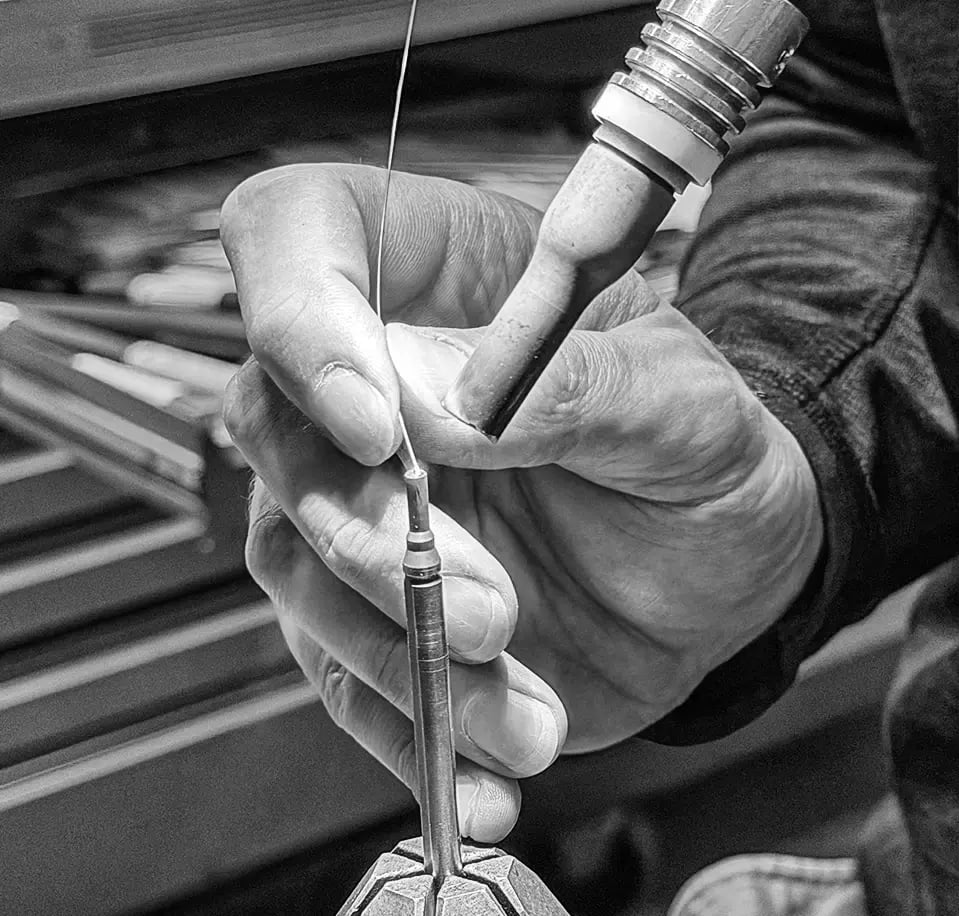
Proven Mold Repair Technology

Why Plastic Injection Mold Shops Are Investing in Fiber Laser Welding Technology

For decades, mold manufacturers and repair facilities have relied on machining, TIG welding, EDM work, and outsourcing to repair damaged tooling. Today, fiber laser welding technology is changing the way mold repairs are performed by allowing technicians to make precise repairs with minimal heat input, reduced distortion, and significantly faster turnaround times.

Whether you're repairing shutoffs, rebuilding edges, restoring vents, fixing damaged cores, or correcting machining mistakes, a fiber laser welding machine can become one of the most valuable tools in your mold repair department.

At Alliance Specialties and Laser Sales, we've performed more than 40,000 laser welding repairs for customers across North America. That real-world experience has helped us understand exactly what mold manufacturers need from a laser welding system and why more shops are bringing this capability in-house.


img-960x920_LaserWelding01

What Is a Fiber Laser Welding Machine?

What Is a Fiber Laser Welding Machine?

A fiber laser welding machine uses a highly concentrated laser beam to fuse metal with exceptional precision and control. Unlike traditional welding processes, laser welding produces a very small heat affected zone (HAZ), allowing repairs to be performed in sensitive areas without introducing excessive heat or distortion.

Fiber laser technology has become the preferred choice for many mold repair applications because it offers:

  • Higher energy efficiency
  • Lower maintenance requirements
  • Greater reliability
  • Longer service life
  • Improved beam quality
  • Faster welding speeds

These advantages make fiber laser systems ideal for plastic injection mold repair, tooling repair, die repair, medical molds, automotive tooling, and precision manufacturing applications.
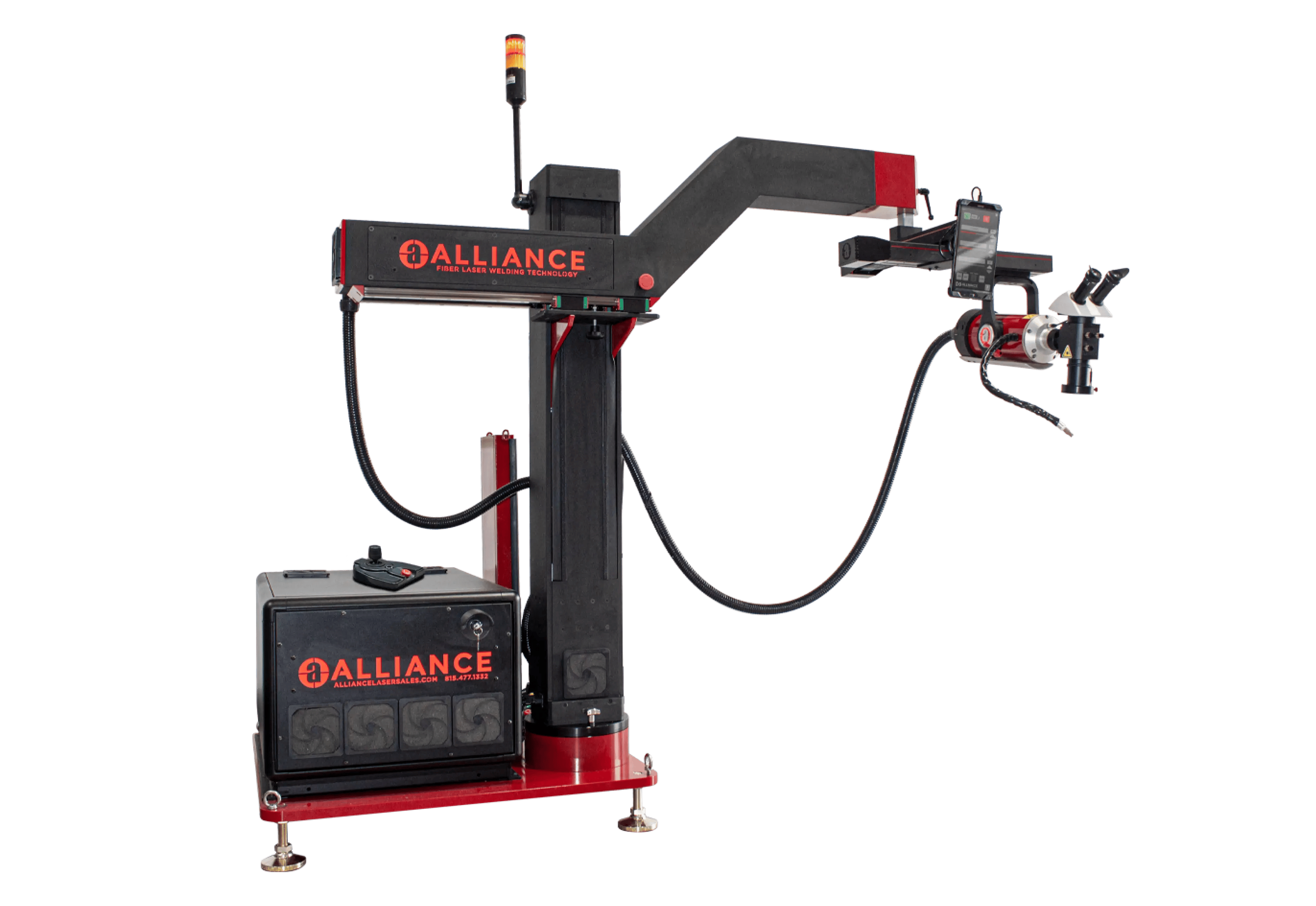
Request a Demo

Common Mold Repair Applications for Fiber Laser Welding

Fiber laser welding systems are used every day to repair and restore critical tooling components, including:

 Shutoff Repairs

Restore damaged shutoffs without extensive machining.

Parting Line Repairs

Build up worn or damaged parting lines with precision.

Core and Cavity Repair

Repair steel damage caused by wear, corrosion, or processing issues.

Vent Repair

Restore damaged venting areas while maintaining tight tolerances.


Edge Rebuilds

Add material to chipped or damaged edges without affecting surrounding areas.

Engineering Changes

Modify molds to accommodate design revisions and product updates.

Flash Condition Repairs

Build worn steel surfaces back to specification.

Texture Preparation

Prepare surfaces for re-texturing after repairs are completed.

Why Mold Shops Are Replacing Traditional Welding Methods

Reduced Heat Input

Traditional welding methods often introduce excessive heat into the tool, increasing the risk of distortion and dimensional changes. Fiber laser welding concentrates energy into a precise location, minimizing heat transfer into surrounding steel.

Greater Precision

Laser welding allows technicians to place weld material exactly where it is needed, reducing post-weld machining and polishing.

Faster Turnaround

Many repairs can be completed in hours rather than days, reducing mold downtime and improving production efficiency.

Lower Repair Costs

Bringing laser welding in-house often reduces outsourcing expenses and shipping costs while increasing responsiveness to customer needs.

Improved Weld Quality

The small weld bead and reduced heat affected zone can produce cleaner, more controlled repairs than many conventional welding methods.

Energy Efficiency

Maintenance

Consumable Costs

Beam Quality

Reliability

Operating Costs

Service Life

Excellent

Low

Low

Excellent

Excellent

Lower

Longer

Moderate

Higher

Higher

Good

Good

Higher

Shorter

img-1800x1240_ID-1

The Financial Benefits

Bringing Laser Welding In-House

Many mold manufacturers initially outsource laser welding repairs. While outsourcing can be effective, increasing demand often creates delays, shipping costs, and scheduling challenges.

Bringing laser welding in-house can provide:

  • Faster mold turnaround
  • Reduced outsourcing expenses
  • Greater process control
  • Increased customer responsiveness
  • Expanded service offerings
  • Improved profitability

For many shops, a laser welding system becomes a revenue-generating asset while simultaneously reducing repair costs.
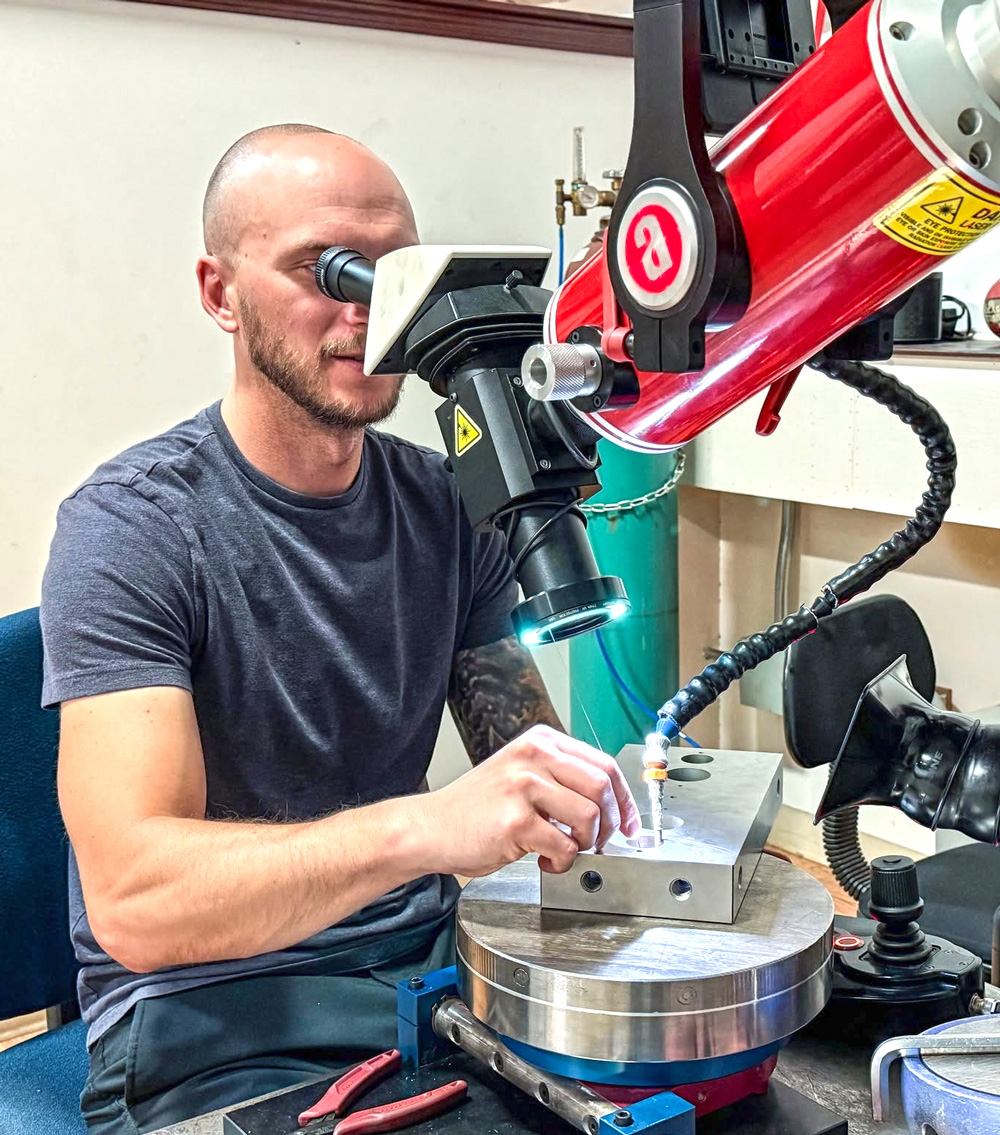
Request a Demo of Our Systems

What to Look for When Purchasing a Fiber Laser Welding Machine

Before investing in a laser welding system, important things to consider:


Ease of Use

Can technicians learn the system quickly?

Service and Support

Is training available?

Optical Quality

Can operators clearly view the weld area?

Power Control

Can settings be adjusted for different repair applications?

Reliability

How much maintenance is required?

Industry Experience

Does the supplier understand mold repair applications?

The best laser welding machine is not always the one with the highest power rating. It is the system that consistently delivers reliable, repeatable results for your specific repair requirements.

WhyChooseAllianceBrianLaserWelding

Why Mold Manufacturers Choose Alliance

Unlike many equipment suppliers, Alliance doesn't simply sell laser welding systems.

We use laser welding technology every day.

Our team has completed more than 40,000 laser welding repairs across a wide variety of mold and tooling applications. That experience allows us to help customers select the right equipment, avoid common mistakes, and implement laser welding successfully within their operations.

When you work with Alliance, you're partnering with a team that understands:

  • Mold repair
  • Mold maintenance
  • Tool room operations
  • Laser welding applications
  • Operator training
  • Process development

Our goal is to help customers improve repair quality, reduce downtime, and maximize return on investment.

FREQUENTLY ASKED QUESTIONS

  • Most tool steels, stainless steels, and many specialty alloys commonly used in mold manufacturing can be laser welded.
  • Most technicians can become productive quickly with proper training and application support.
  • For many precision mold repair applications, laser welding offers greater control, less heat input, and reduced distortion.
  • Yes. Laser welding is commonly used for repairs in textured areas prior to re-texturing.
  • Modern fiber laser sources typically provide many years with access of of 100, 000 pules of reliable service with minimal maintenance requirements.
  • Return on investment depends on repair volume, outsourcing costs, and labor savings. Many mold shops realize significant savings by bringing repairs in-house.

I AM READY FOR A DEMO